How to Get Kids to Eat More Vegetables Without the Meltdown
This post contains affiliate links. If you purchase through these links, I may earn a small commission at no extra cost to you.
Getting kids to eat vegetables is one of the most common challenges parents face — and learning how to get kids to eat vegetables without pressure makes all the difference.
First, The Honest Part
If you have tried everything and your toddler still pushes every vegetable to the edge of the plate, this post is not going to promise you a magic trick. There is no single technique that works for every child, and anyone who tells you otherwise has probably not spent much time at an actual toddler dinner table.
What I can share is what actually helped in our house — and what the research says about how children learn to accept new foods. Spoiler: it takes longer than anyone wants, and the pressure usually makes it worse.
According to the American Academy of Pediatrics, repeated exposure without pressure is the most effective long-term strategy.
Why Kids Refuse Vegetables
Before getting into what to do, it helps to understand why this happens. Toddlers are biologically wired to be cautious about new or bitter foods — it is an evolutionary holdover from a time when bitter often meant poisonous. Vegetables, which are often bitter, hit that instinct hard.
Add to that the fact that toddlers are going through a developmental phase where control over their own body — including what goes in their mouth — is extremely important to them. The more pressure there is around eating vegetables, the more they dig in.
How to Get Kids to Eat Vegetables — What Actually Helps
Here are the most effective ways to get kids to eat vegetables without a battle.
Keep Serving Them Without Comment
The single most evidence-backed strategy is also the most boring one: keep putting vegetables on the plate, say nothing about them, and let your child decide what to do. No “just try one bite,” no “you have to eat three peas before you can leave,” no sticker charts. Research consistently shows that repeated neutral exposure — seeing and being near a food without pressure — increases acceptance over time.
Eat Vegetables Yourself at the Table
Children learn eating behaviour from watching the adults around them. If you eat vegetables at the same table, without drama, without commenting on them, your child is absorbing that information even when it does not look like it. In our house, the moment I stopped making a production out of vegetables — mine or theirs — things slowly started to shift.
Serve Vegetables When They Are Hungry
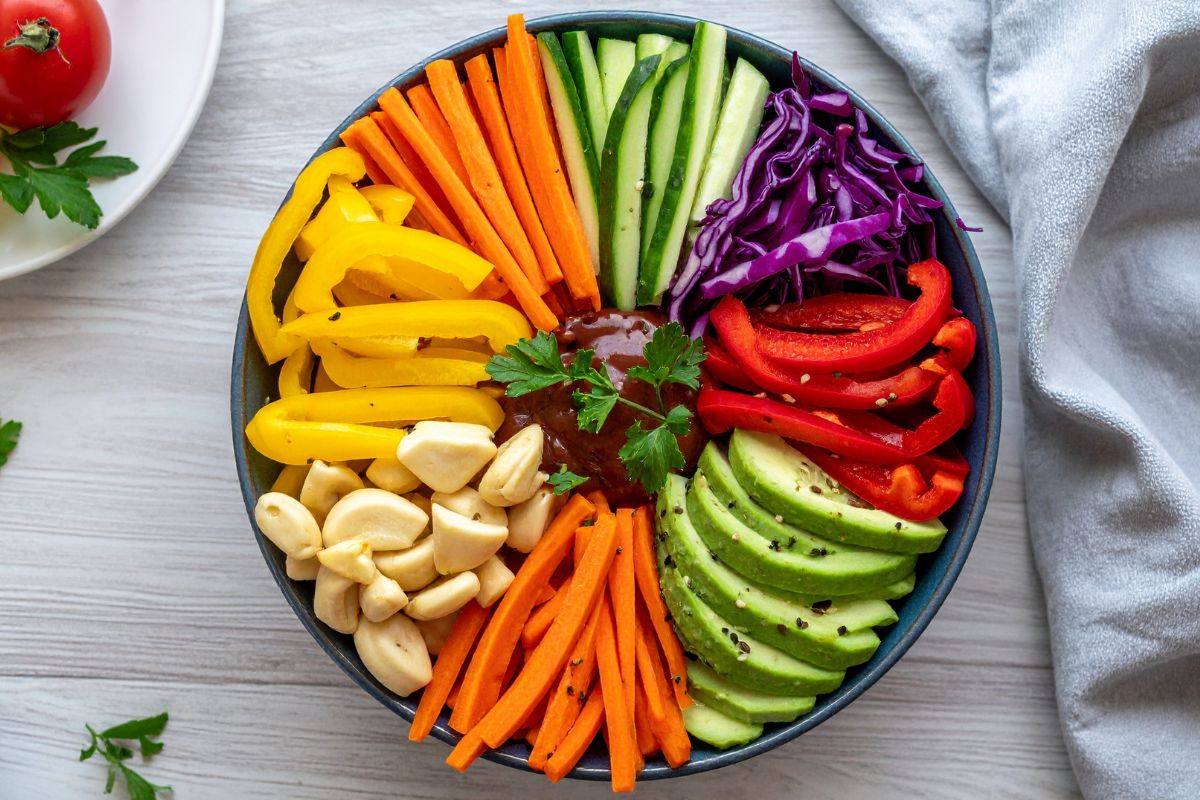
The best time to introduce a vegetable is at the start of a meal, before anything else is on the table, when hunger is highest. A few cucumber sticks or carrot sticks served while you finish cooking have a better chance than anything served alongside a plate of pasta.
Make Dipping Available
A small pot of hummus, cream cheese, or mild yogurt dip alongside vegetables dramatically improves the odds. The dipping action makes eating interactive and gives toddlers a sense of control. Many kids who refuse plain carrot sticks will eat them if there is something to dip them into. A small set of dipping pots makes serving hummus or cream cheese alongside vegetables much easier — this one is what we use.
Try Hiding Vegetables — But Do Not Rely on It
Blending vegetables into sauces, muffins, or pancakes works as a short-term strategy and is genuinely useful. Our Hidden Veggie Mac and Cheese has carrots pureed completely into the sauce, and it gets eaten every time without a single complaint. The limitation is that hidden vegetables do not build acceptance of vegetables in their visible form. Use it as one tool, not the only tool.
Let Them Help in the Kitchen
Toddlers who help wash, tear, or mix ingredients are often more willing to taste what they made. Not always — sometimes they help enthusiastically and then refuse to touch the finished product, which is peak toddler behaviour — but it increases the odds enough to be worth trying.
Grow Something, Even Just One Thing
A pot of cherry tomatoes on a windowsill or a small herb pot counts. Children who have been involved in growing something, even in the most basic way, are consistently more curious about tasting it.
Serve Vegetables in Different Forms
A child who refuses cooked broccoli might accept it raw. One who pushes away raw carrot might eat it roasted until soft and slightly sweet. The vegetable is the same — the texture and flavour are completely different.
Use the Division of Responsibility
Ellyn Satter’s Division of Responsibility is one of the most useful frameworks for feeding toddlers: you decide what food is served, when, and where. Your child decides whether to eat it and how much. When parents take over the child’s side — pressuring, bribing, or forcing — it almost always backfires.
- Forcing or bribing — “Eat your broccoli or no dessert” teaches children to dislike broccoli more and to want dessert more.
- Making separate meals — removes the exposure to family foods that builds acceptance over time.
- Reacting visibly to refusal — puts pressure on the moment and makes it harder next time.
- Giving up after a few tries — most children need far more exposures than parents expect.
A Realistic Timeline
One thing parents often ask is how long it actually takes to get kids to eat vegetables consistently. This is the part nobody loves to hear: it takes longer than anyone wants. Most toddlers do not go from refusing all vegetables to eating them easily within a few weeks. The research suggests six months to a year of consistent, low-pressure exposure before significant change is typical. What keeps most parents going is tracking small wins — the day they licked a pea, the day they touched a carrot without crying, the day they ate three bites of cucumber without being asked.
FAQ
How do I get my toddler to eat vegetables without a fight?
Remove the fight from the equation entirely. Serve vegetables without comment, without pressure, and without consequences for not eating them. It feels like nothing is happening, but consistent neutral exposure is genuinely the most effective long-term strategy.
Is it okay to hide vegetables in food?
Yes, hiding vegetables is fine and useful — especially in the short term. Blending carrots into pasta sauce or spinach into a smoothie gets nutrition in without drama. Just combine it with also serving visible vegetables on the plate so children gradually build familiarity with what vegetables actually look like.
How many times does a toddler need to see a food before they try it?
Research suggests somewhere between eight and fifteen exposures for many children, and sometimes more for particularly cautious eaters. Each time a food appears on the plate without pressure counts as an exposure, even if it is ignored completely.
Should I use reward charts to get my toddler to eat vegetables?
Most feeding specialists advise against using food rewards or sticker charts tied to eating specific foods. Extrinsic rewards can undermine a child’s natural relationship with food and often stop working once the reward is removed. Neutral, consistent exposure tends to produce more lasting results.
What vegetables are easiest for picky eaters to accept?
Mild, slightly sweet vegetables tend to be accepted more easily than bitter or strongly flavoured ones. Corn, peas, carrots (especially roasted), sweet potato, and cucumber are common starting points. Raw vegetables with a dip also tend to work better than cooked vegetables served plain.
Final Thoughts
Getting kids to eat more vegetables is genuinely one of the slower parts of parenting a picky eater. It is not a problem you solve in a week, and it is rarely fixed by a single strategy. What works is showing up consistently — vegetables on the plate, no pressure, no big reactions — and giving it more time than feels reasonable. It does get better. Just not as fast as anyone would like.
For practical meal ideas that take the pressure off, check out our Easy Dinner Ideas for Picky Eaters and our full guide to Healthy Breakfast Ideas for Picky Eaters. For a dinner that hides vegetables completely, try our Hidden Veggie Mac and Cheese — another recipe that gets eaten without questions. For more on what doesn’t work, read our 5 Mistakes Parents Make With Picky Eaters.